
Carl Fields
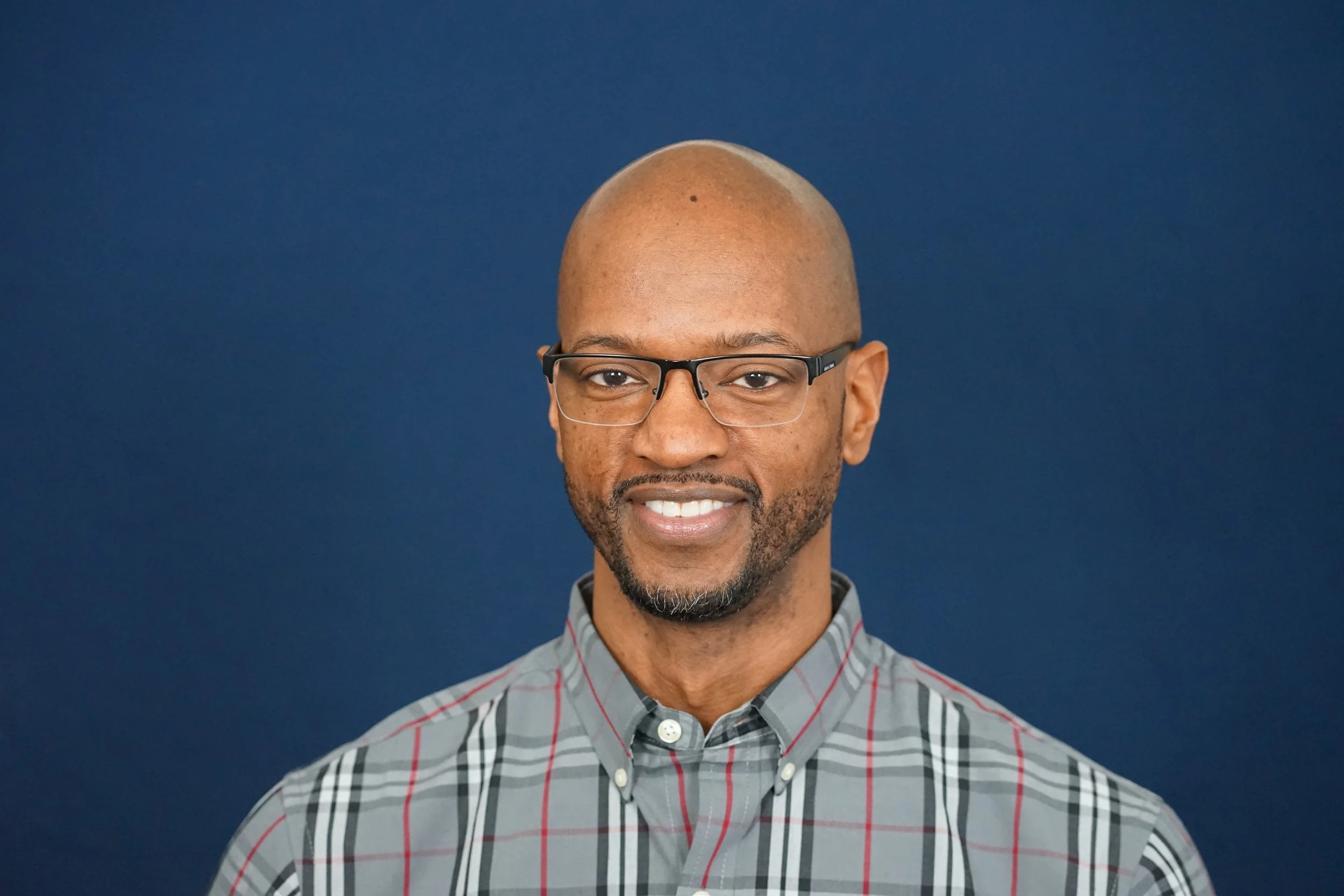
An interdisciplinary, critical thinker who believes in, and is invested in, a genuine transformation of the Criminal Legal System. During his incarcerated years, he went from immersing himself as a student, to workshopping and facilitating courses in CBT, Anger Management and Conflict-Resolution. A Braille Transcriptionist, certified by the Library of Congress; As well a former Shelter Director with hands-on experience. He employed his skills to uniquely approach challenges that were not readily seen or accounted for using the usual models. An established and respected Community Organizer, he gained his particular understanding of movement-work from The Gamaliel National Leadership Training (NLT) in 2016. Later joining the ranks of NLT as a Trainer/Facilitator focusing on those with system impact. As a narrative expert, He currently is the Civic Strategy Director with the Wisconsin advocacy org, ProSay. Viewing what’s possible through a restorative lens, Carl continues to shape and have a hand in building frameworks that move communities and its members toward true agency, accountability, and justice.
In-Person | PM Session A
1:00 PM - 2:30 PM
-
Facilitated By: Carl Fields, Melissa Ludin & Brittany Lee
Audience: Open to Everyone
Commutation can provide immediate relief for people serving long prison sentences—but meaningful access requires more than navigating an application process. This interactive session explores how commutation can bring people home while building relationships, leadership, and collective power for long-term racial justice and criminal legal transformation.
Participants will learn the basics of Wisconsin’s commutation process, examine barriers incarcerated people and their families face, and map the ecosystem needed for more equitable access. Through facilitated discussion and collaborative exercises, we will explore commutation through four lenses: solidarity, abolition, mutual aid, and repair.
Together, participants will identify gaps in information, communication, support, and decision-making, while considering the roles of directly impacted people, families, attorneys, organizers, reentry providers, community organizations, and public institutions.
The session asks how we can support freedom and accountability while pursuing deeper structural change—and what we can build together that will last beyond any single administration or commutation process.