
Micah Sagers
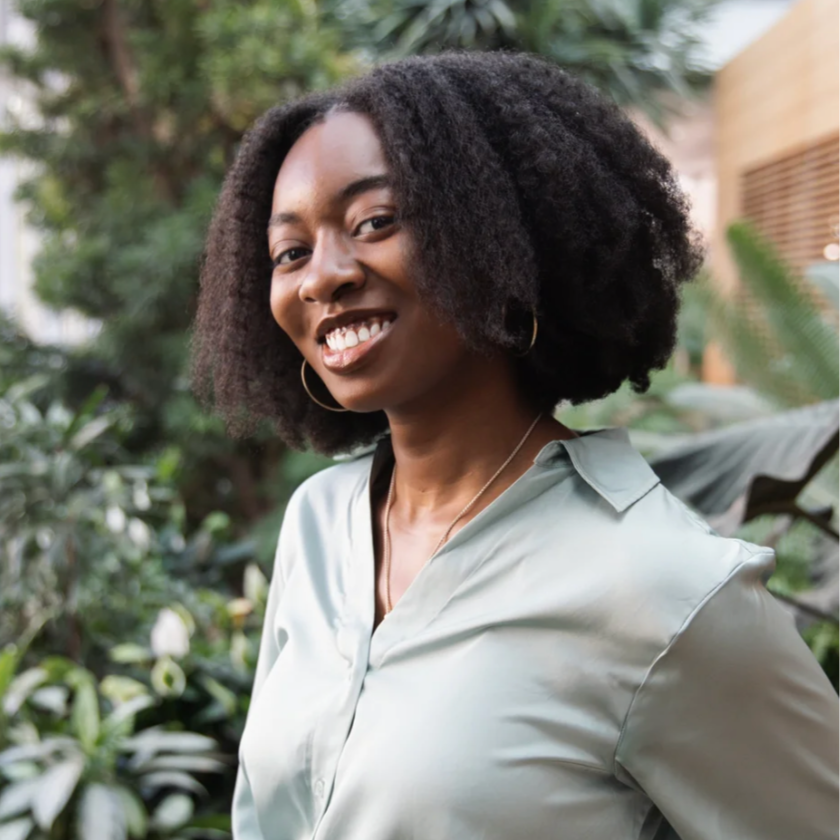
Micah Sagers is a fourth-year student at UW–Madison majoring in Biology with minors in African American Studies and Global Health. Her academic and personal interests lie at the intersection of health, medicine, and social justice. As a research fellow with the SoulFolk Collective since her sophomore year, she values the opportunity to listen to diverse stories and amplify Black voices. After graduation, Micah plans to pursue medical school and a career rooted in community well-being. One of her favorite authors is Toni Morrison.
“The function of freedom is to free someone else.” — Toni Morrison
In-Person | PM Session B
2:45 PM - 4:00 PM
-
Facilitated By: Jessica Stovall & Micah Sagers
Audience: Open to Black People, the people who love them, Youth, and people invested in Black Education
What would it mean to design a Black-centered, Saturday Freedom School program in today's political climate?
This session will introduce attendees to a lesser-known aspect of the Civil Rights Movement: Freedom Schools, radical community learning spaces created by and for Black communities to address educational inequities, cultivate political consciousness, and challenge antiblackness. Drawing from the history and organizing practices of Freedom Schools, the SoulFolk Collective will invite attendees to imagine what Black-centered education could look like today. Through interactive activities that include group analysis of historical freedom school lessons, themes from focus groups with Black Youth in MMSD, and collective imagining, participants will have the opportunity to envision new possibilities for education, community, and liberation.
This lesson is taught by members of The SoulFolk Collective, a community of researchers at UW-Madison dedicated to positioning Black space as a blueprint for more liberatory futures.
The Collective plans to launch the SoulFolks Saturday School on Madison’s South Side in January 2027. Rooted in solidarity, the Saturday School seeks to create a space where Black students can freely express all facets and dynamisms of their Black identity, as well as develop the tools to think critically, ask questions, and connect their learning to their own lives and communities.