
Alia Stevenson
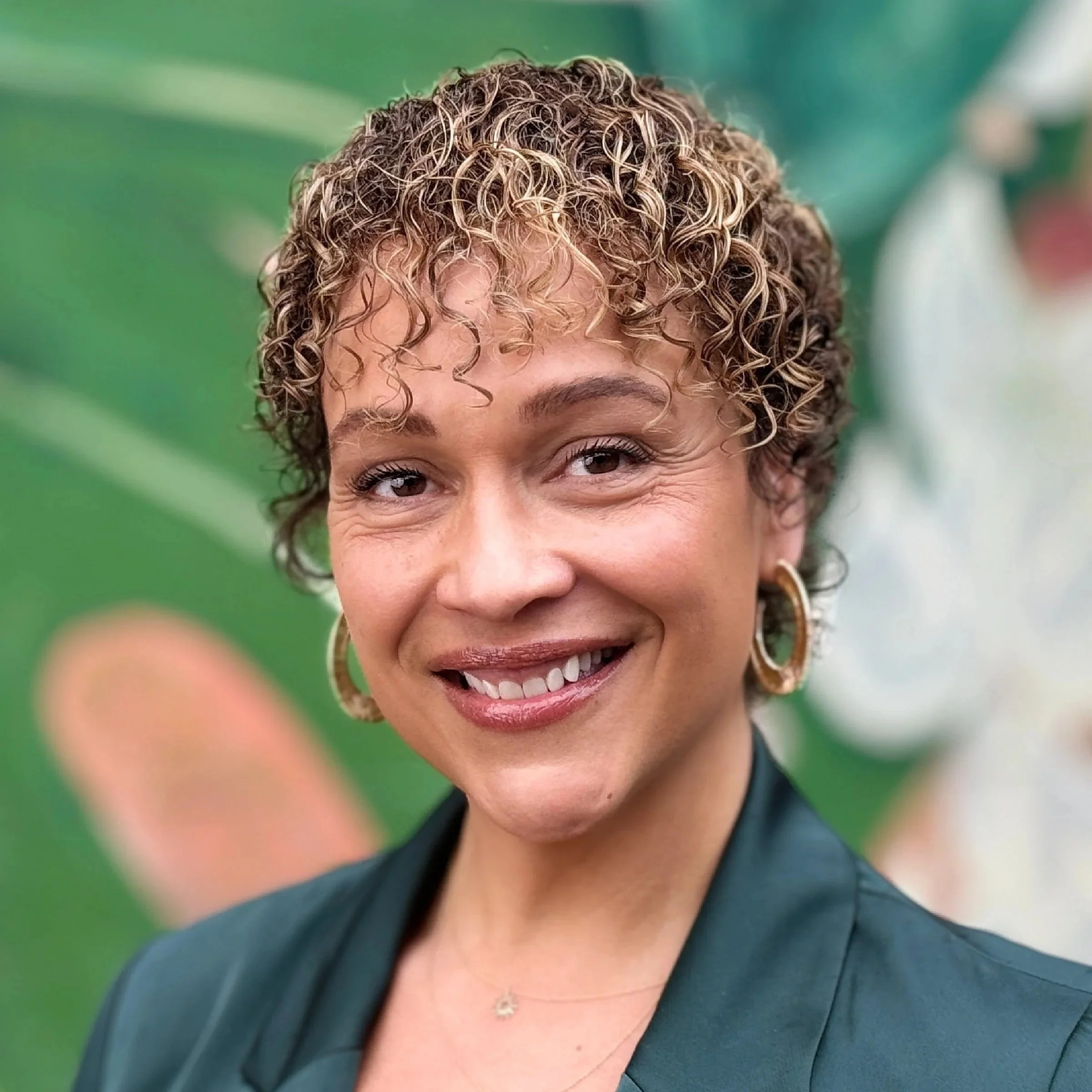
Alia Stevenson is a joyful, committed, and powerful force for change in every role she plays. She brings passion and experience around racial health inequities to the collective, and she brings humor to the most challenging discussions, making it easier to stay connected and stay dedicated to the work that brings us together. Alia has spent her career in the field of organizational development, embedding health and racial equity into agency operations, policies and programming. Alia brings a systems approach to assessing and improving environments that center the needs of, and empowers those most impacted by inequities. Alia’s analysis of organizational and interpersonal dynamics moves the work from thought to inclusive, sustainable action and results.
Virtual | Breakout
12:30 PM - 2:30 PM
-
Facilitated By: Alia Stevenson & Colleen Butler
Audience: Open to Everyone
Justice is our commitment, Liberation is our destination, but Joy is the way
Abolition, mutual aid, repair, and solidarity ask more of us than critique. They ask us to build relationships, cultures, and ways of being that can sustain truth, care, accountability, imagination, and collective action. In a moment marked by violence, exhaustion, disconnection, and urgency, that work also requires an emotional ecosystem capable of keeping us connected to our humanity and to one another.
The Joy Doctrine is a tool that was created and successfully piloted by the nINA Collective, offering joy as a disciplined and liberatory practice. Joy here is not toxic positivity or an escape from grief, conflict, or injustice. It is a way of staying in community while telling the truth about harm, practicing accountability without cruelty, and resisting the emotional habits of domination we are working to dismantle. Cultivating joy requires a different emotional ecosystem, one in which truth, disagreement, learning, and accountability can remain humane.
In this experiential session, participants will reflect on their own relationship with joy and practice ways of cultivating it in community. Through guided reflection, connection, embodied practice, and collective meaning-making, we will explore how joy can strengthen the relational conditions that make solidarity possible, sustain the reciprocal care at the heart of mutual aid, support repair without disposal, and help us imagine and practice life-affirming alternatives to systems rooted in domination.
Participants will leave with practical tools for protecting joy, grounding in values, strengthening connection, and returning to agency when the work feels overwhelming. Together, we will explore what becomes possible when joy is not treated as a reward for liberation, but as one of the ways we build it.